Renting an apartment in Serbia for foreigners
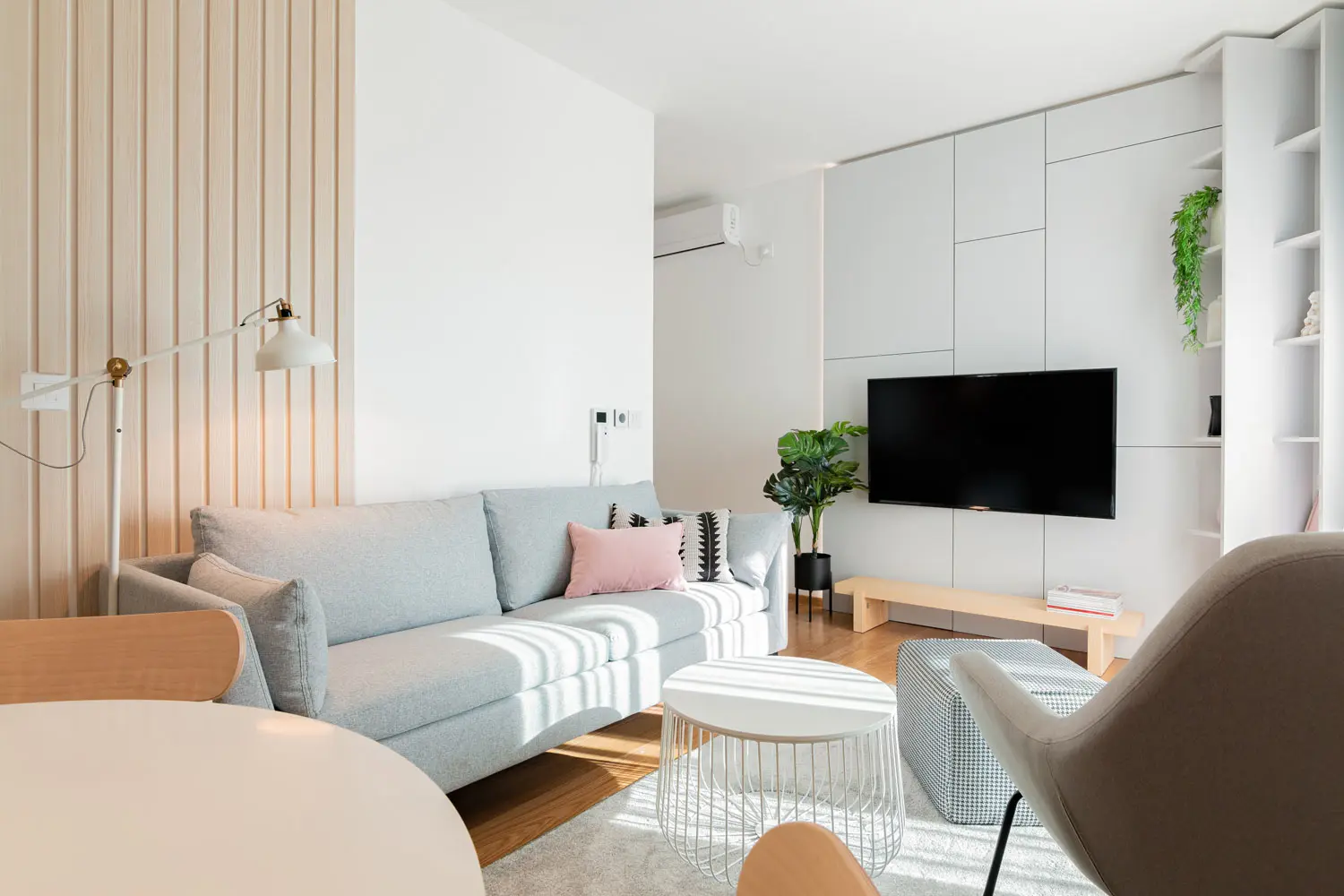
Renting an apartment in Serbia for foreigners is not only important for finding accommodation, but also for the proper arrangement of the lease agreement, registration of residence address and other steps that are important for a legal stay in Serbia. For many foreign citizens, the apartment and registered address become the basis for further administrative procedures, so it is important that this part is not dealt with superficially.
Many foreigners initially focus only on the price, location and equipment of the apartment. However, in practice, it is equally important that the owner wants to cooperate with the registration of residence, that the lease agreement is drawn up correctly and that there is clear documentation of the address where the foreigner resides.
In this guide, we explain whether a foreigner can rent an apartment in Serbia, how to choose accommodation, why a rental agreement is important, how to register a residence address, what a foreigner’s residence registration is, and what to do if there is a change of address.
Can a foreigner rent an apartment in Serbia?
Yes, a foreigner can rent an apartment in Serbia. In practice, this is also possible when the person does not yet have an approved temporary residence permit, but it is very important to distinguish between renting an apartment and the issue of a legal longer stay in the country.
In other words, renting an apartment and regulating residence status are not the same. The apartment can be rented even before all residency procedures are completed, but it is important to immediately check how the address will be registered and whether the lessor wants to participate in that part of the procedure.
This is especially important for foreigners who:
- they are just coming to Serbia
- are planning a longer stay
- they want to start a procedure for temporary residence
- they want to register their residence at that address
- they want to use that address later for other administrative steps as well
How to choose accommodation in Serbia as a foreigner
When a foreigner chooses accommodation in Serbia, it is not enough to look only at whether he likes the apartment and whether the location suits him. In practice, it is very important to assess whether the apartment is suitable for further administrative steps.
That’s why it’s good to check before making an agreement:
- whether the apartment is rented out with a rental agreement
- whether the owner agrees to the registration of the residence address
- whether the owner will provide the necessary consent or documentation
- whether the lease is long-term or short-term
- whether the costs and terms of the lease are clearly agreed upon
It is very important for a foreigner to consider the apartment not only as a place of residence, but also as an address that may have legal and administrative significance.
Agreement on renting an apartment in Serbia for foreigners
The lease agreement is important for both the lessee and the lessor. It serves not only to agree on the price and duration of the lease, but also to clearly arrange who uses the apartment, under what conditions and at which address.
For foreign nationals, the lease agreement is particularly important because it can have a wider function in the procedures related to address registration and proof of residence in Serbia.
A well-drafted tenancy agreement should clearly show:
- who is the lessor
- who is the tenant
- which real estate is being rented out
- how long is the lease
- what are the costs
- whether the tenant uses the apartment as a residence address
In practice, it is very important that the contract is not vague or verbal, because this can later create a problem for both the tenant and the owner.
What is the registration of residence of a foreigner
The registration of a foreigner’s residence is a confirmation that a foreign citizen is registered at a specific address in Serbia. In everyday speech, it is often called a white card, but for a serious text, it is better to use the legally and administratively clear expression of foreigner’s residence application.
This report is important because it shows where the foreigner resides and is often needed for further administrative actions. It is very important to understand that a foreigner’s residence application is not the same as an approved temporary residence.
This means that:
- the registered address does not automatically mean that a longer stay has been approved
- residence registration is a separate step
- temporary residence is a special status that is regulated through another procedure
Many foreigners confuse these two terms, so they think that they have solved the entire residence status as soon as they register their address. In practice, this is not enough.
How does the registration of residence address in Serbia look like?
When a foreigner resides in private accommodation, the registration of the address of residence is usually resolved before the competent police station for the address where he resides. For this step, it is important that the person has a valid passport and appropriate proof of residence.
In practice, it is useful to be clear in advance:
- who goes to the police station
- what documentation is carried
- whether the presence of the lessor is required
- whether a lease agreement is sufficient
- whether there is a need for additional written consent
This step should not be left for later, because the residence registration is time-sensitive and important for legal residence at the registered address.
Is the consent of the apartment owner required?
In many cases, the issue of the owner’s consent is one of the most important practical issues for a foreigner renting an apartment.
In practice, there are situations when it is important:
- written consent of the apartment owner
- appropriate documentation of the lessor
- a lease agreement that clearly shows that a foreigner resides at that address
Therefore, a foreigner should not conclude a lease without first talking to the owner about whether he will allow the address to be registered. If the lessor does not want it, that apartment can become problematic for further administrative procedures.
Who reports the stay of a foreigner
In practice, it is very important to clarify in advance who submits the foreigner’s residence application. In private housing, this is an issue that most often involves the lessor, that is, the person who provides the apartment for use, but the specific implementation may depend on the documentation and the way the lease is arranged.
Therefore, it is important to clarify before moving in:
- whether the apartment owner participates in the application
- whether his identification document is required
- whether a lease agreement is sufficient
- how the application will be carried out in a specific case
The earlier this issue is clarified, the lower the risk of delays and additional complications.
Deadline of 24 hours and change of address
One of the most important practical matters is that the foreigner’s residence application must be resolved in a timely manner. Also, if a foreigner moves to another address, he must take care to register the new address within the prescribed period.
This means that changing the apartment is not only a private matter. It also has administrative consequences. If a foreigner changes his address and does not report it, there may be problems in later procedures, especially when he needs proper residence records.
That is why it is important that every change of address is taken seriously and that the new application is not delayed.
Apartment rental and temporary residence
Renting an apartment and temporary residence are often related, but they are not the same. The apartment and the registered address may be important for the later adjustment of the residence status, but the registration of the address alone does not mean that the foreigner has been granted temporary residence.
In practice, it is important to understand the sequence:
- first, the issue of accommodation and address is resolved
- then registration of the foreigner’s residence
- and then, when there is a reason, further residence procedures
For many foreigners, an apartment is the first step towards a more stable life in Serbia, but it is important that each subsequent step is properly connected to the previous one.
The most common mistakes foreigners make when renting an apartment in Serbia
There are several mistakes that are repeated very often in practice.
The first mistake is that a foreigner rents an apartment without checking whether the owner even wants to enable registration of the residence address.
Another mistake is renting without a written contract or with a contract that is not clear enough.
The third mistake is the assumption that the registration of a foreigner’s residence is the same as temporary residence.
The fourth mistake is delay in registering an address or not registering a new address after moving.
The fifth mistake is focusing only on the price, without checking whether the apartment is administratively suitable for a foreigner to stay in Serbia.
How Derya Group Consulting can help
Derya Group Consulting provides support to foreign citizens who rent an apartment in Serbia and want to correctly arrange their address of residence and supporting documentation.
This support can be important when needed:
- check what is required to register a foreigner’s residence
- prepare documentation
- align the lease agreement with administrative needs
- help with translation and other accompanying steps
- connect accommodation with further procedures such as residence, bank and other administration
For foreigners going through these steps for the first time, this kind of help often means fewer mistakes, fewer delays, and a much clearer process.
Conclusion
Renting an apartment in Serbia for foreigners is an important life step, but at the same time an administrative step that can affect the further stay in Serbia.
The most important thing is for the foreigner to check in time:
- can he report the address on that property
- whether there is a clear lease agreement
- whether the owner’s consent is required
- how to apply for a foreigner’s residence
- what to do if there is a change of address
When these steps are set correctly from the beginning, life in Serbia itself becomes much simpler and safer.
Frequently asked questions
Can a foreigner rent an apartment in Serbia without temporary residence?
Yes, a foreigner can rent an apartment in Serbia even before receiving an approved temporary residence permit. However, this does not mean that the issues of residence registration and subsequent residence status have been resolved.
What is the registration of a foreigner’s residence in Serbia?
The registration of a foreigner’s residence is a confirmation that a foreign citizen is registered at a specific address in Serbia. It is important for legal residence at the registered address and for other administrative procedures.
Who reports the residence address of a foreigner?
It depends on the specific case and documentation, but it is important to clarify in advance with the lessor how the application will be carried out and what documentation will be required.
Is the consent of the apartment owner required?
In many cases, the consent of the owner or documentation that clearly shows that a foreigner resides at that address is important.
Can a rental agreement be used to register an address?
The rental agreement can play an important role in proving the residential address, especially if it is properly drafted and clearly shows that the foreigner uses the real estate as a place of residence.
What if the foreigner moves to another address?
If a foreigner moves to a new address, it is important to report the new address on time and not to keep the old application as if it were still valid.
Is residence registration the same as temporary residence?
No. Registration of a foreigner’s residence and temporary residence are not the same. Registering an address is one administrative step, while temporary residence is a special legal status that is regulated through another procedure.